 EN
EN



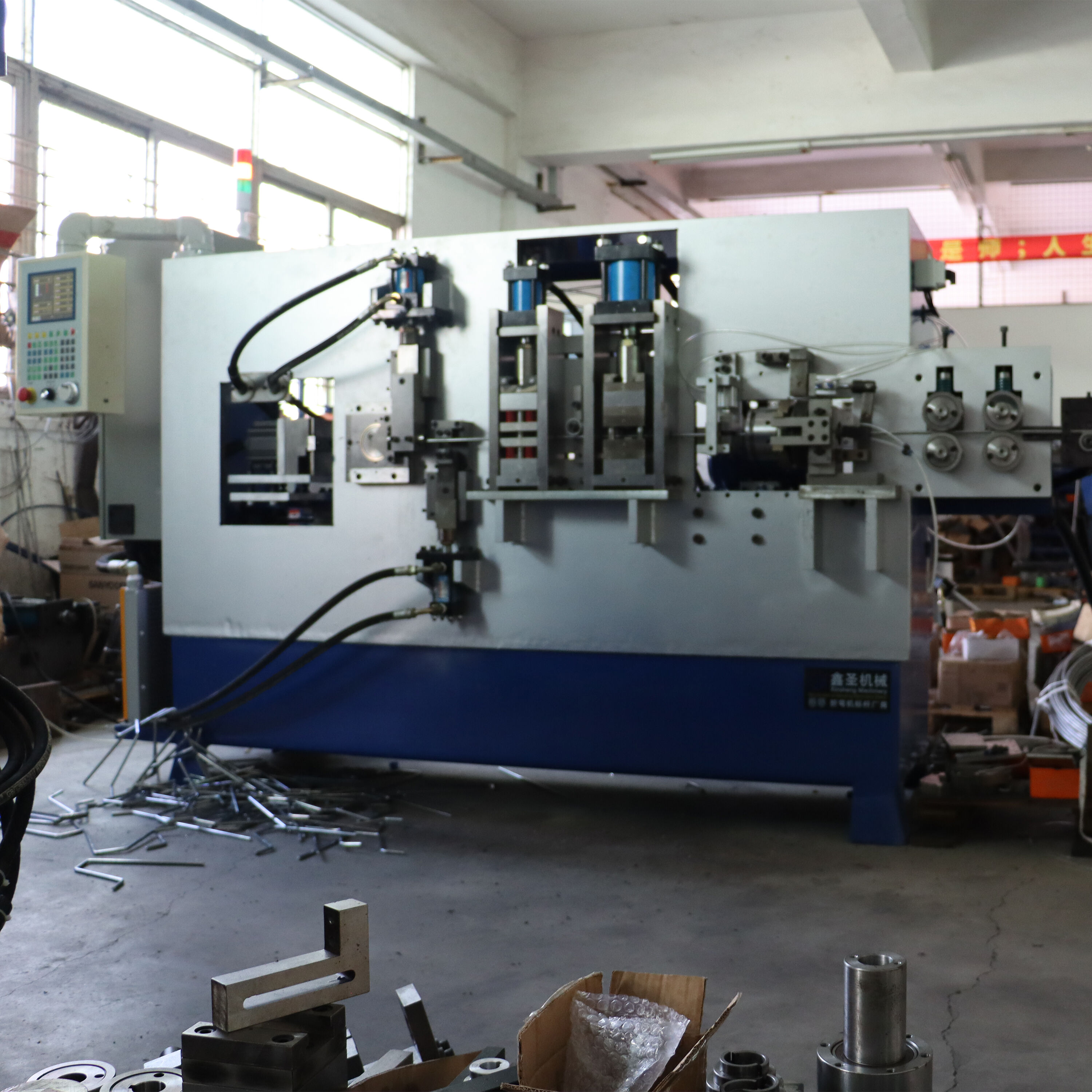
How Advanced Bending Machines Achieve Sub-Degree Precision in Complex Geometries
CNC-controlled multi-axis synchronization for angular accuracy under 0.1°
Today's bending machines can reach angular precision below one degree thanks to advanced CNC systems that work together across several axes at once. The servo driven actuators place tools accurately within just 0.01 millimeters, and laser interferometers check these positions as often as 500 times every second which helps prevent any shape distortion when making complex bends. Such precision matters a lot for parts used in aircraft manufacturing where tolerances need to stay within plus or minus 0.05 degrees even on complicated shapes. These machines use what's called a closed loop feedback system to constantly adjust for things like wear and tear on the machinery itself and changes caused by heat buildup. This keeps the accuracy above 0.1 degree for long periods of operation, something that meets the strict requirements set out in ISO 230-2 calibration standards for machine tools.
Real-time force feedback and adaptive algorithms to counteract springback in high-strength alloys
Springback continues to be a real headache when working with tough materials such as titanium and Inconel. Traditional bending methods often result in around ±1.5 degree variations which is not acceptable for many applications. Modern equipment now comes equipped with load cells that track how much force is needed during the bending process at frequencies up to 1,000 times per second. These readings get sent to smart software systems that constantly adjust the tool path while the machine is actually running. Special databases connect different types of metals (like 304L stainless steel versus 17-4PH) with their specific elastic properties. The system then makes automatic corrections based on things like how the metal gets harder after being worked, direction of the grain structure, and differences in wall thickness across parts. When tested on car frames, this technology cut down springback mistakes by nearly four out of five cases compared to old fashioned manual setup methods. That means manufacturers can produce complex tube shapes with radius to thickness ratios under 1.5 without having to go through multiple trial runs.
Selecting the Right Bending Machine for Complex Metal Forming
Press brake vs. folding machine vs. rotary bender: Matching machine capabilities to part geometry (sheet, panel, tube)
The choice of bending equipment really comes down to what kind of material we're working with and how complex the geometry needs to be. Press brakes work great for sheet metal components, particularly those with multiple flanges like enclosures. These machines can achieve around plus or minus 0.1 degrees of angle accuracy when dealing with sheets less than three meters long. For bigger jobs, folding machines are typically used first to clamp down large panels before doing any edge folding. This helps spread out the force applied during bending which reduces distortion issues commonly seen in things like building facades or structural panels over three meters in length. Then there's rotary benders that spin special dies to create smooth curves in tubing and other extruded shapes. They maintain the original shape across the entire section making them perfect for applications such as railings, framework pieces, and even pipes that need to carry liquids without deformation problems.
Rotary draw vs. incremental bending: Tolerance and radius limitations for tight-radius tube forming (R/t < 2.5)
When working on tight radius tube forming jobs, choosing the right method makes all the difference when it comes to maintaining wall thickness and getting accurate angles. The rotary draw bending technique works by wrapping material around fixed dies and gives pretty good consistency in production runs. But there are limits - below an R/t ratio of 2.5, stainless steel tubes start showing over 15% wall thinning issues plus unpredictable springback variations around half a degree. For really tight bends at R/t ratios down to 1.0, incremental bending becomes necessary. This approach uses small step-by-step deformations and can maintain tolerances within about 0.1 mm, which is absolutely essential for those critical aerospace hydraulic line applications. Yes, the process takes roughly 30% longer than traditional methods, but manufacturers find it worth the extra time because incremental bending handles springback much better with high strength alloys. Most shops report that rotary draw tends to produce between 18 to 22% springback no matter what radius they're working with, making it less reliable for precision work.
Design and Process Strategies to Maintain Tolerance in High-Complexity Bending
Bend sequence optimization, flange length planning, and grain-direction–aware layout to prevent distortion
Getting precision right in complex bending work actually starts way before anyone turns on the machinery. The whole process begins with figuring out the best order for bends so we can create stable reference points from the get go, which cuts down on those annoying little errors that pile up over time. Calculating flange lengths properly makes sure there's enough material left for what comes next, but also stops tools from getting stuck or damaged during operation. One thing that really matters though is paying attention to how metal grains run through sheets. When bends are placed at right angles to these grain lines, it dramatically reduces cracking issues - somewhere around 30 to 40 percent according to research published last year in Metals Processing Journal. Plus, this approach helps maintain consistent results when materials spring back after forming. Put all these techniques together and manufacturers achieve remarkable accuracy levels of plus or minus 0.2 degrees even in complicated aerospace parts. We've seen this work time and again through computer modeling tests as well as real time measurements taken during actual production runs.
AI-driven compensation: Advanced material modeling for inside bend radius and springback control
Compensation systems powered by artificial intelligence can now anticipate and stop springback issues before they happen through something called digital material twins these are basically super detailed computer models showing how stress spreads throughout materials when they get deformed. What makes this technology so impressive is that it actually changes the target angles and internal radius measurements even before any actual bending takes place. The system looks at all sorts of factors while doing this including variations in material thickness which might be plus or minus 5%, differences in tensile strength across different batches, and how specific alloys behave when pushed to their limits. As time goes on, machine learning keeps getting better at making accurate predictions based on data collected from literally thousands upon thousands of production runs. And what does all this mean for manufacturers? They're seeing incredible results with angular accuracy down to less than 0.1 degrees when working with tough metals like titanium and Inconel tubes, even when dealing with really challenging bend ratios where the radius is less than 2.5 times the wall thickness. No need for tedious manual adjustments after the fact anymore.
The Low-Volume Complexity Paradox: Why Automation Alone Doesn’t Guarantee Efficiency
Bending machines automated systems offer great precision, though there's a big problem when dealing with small batches of different products. The theory says these machines should boost output, but actual operations need lots of human know-how. People have to program complex shapes, check if everything is set right, watch how materials behave during processing, and fix problems as they come up. Switching between different part types takes up about a fifth to almost a third of total operating time according to Manufacturing Systems Review from last year, which basically cancels out many benefits automation promises. Quality control remains tricky too. Operators don't just measure dimensions anymore. They also need to read subtle signs like how much metal springs back after forming, assess surface condition, and spot early signs of tool wear. Here's the catch: while automation cuts down on basic labor for bending tasks, it actually creates more demand for skilled workers who can calibrate equipment, diagnose errors, and tweak processes on the fly. Real improvements in efficiency happen when manufacturers combine what machines can do with smart workflow planning and ongoing training programs for their staff.
FAQ
What is the main advantage of using CNC-controlled systems in bending machines?
CNC-controlled systems in bending machines provide sub-degree precision by coordinating multi-axis work, making consistent and highly accurate bends possible.
How do bending machines counteract springback in metal bending?
Modern bending machines use real-time force feedback and adaptive algorithms to adjust tool paths and compensate for springback, particularly in high-strength alloys.
Why is material grain direction important in metal bending?
Aligning bends to run perpendicular to material grain direction reduces cracking and ensures consistent results, especially useful in complex bending tasks.
How does AI-driven compensation improve bending accuracy?
AI-driven systems use digital material twins and machine learning to predict and correct springback, providing angular accuracy and reducing manual adjustments.
Why might bending machines not always guarantee efficiency in low-volume production?
Despite automation, low-volume production requires skilled human oversight for programming and adjustments, limiting the efficiency gains that machines provide.
Table of Contents
- How Advanced Bending Machines Achieve Sub-Degree Precision in Complex Geometries
- Selecting the Right Bending Machine for Complex Metal Forming
- Design and Process Strategies to Maintain Tolerance in High-Complexity Bending
- The Low-Volume Complexity Paradox: Why Automation Alone Doesn’t Guarantee Efficiency
-
FAQ
- What is the main advantage of using CNC-controlled systems in bending machines?
- How do bending machines counteract springback in metal bending?
- Why is material grain direction important in metal bending?
- How does AI-driven compensation improve bending accuracy?
- Why might bending machines not always guarantee efficiency in low-volume production?