 EN
EN



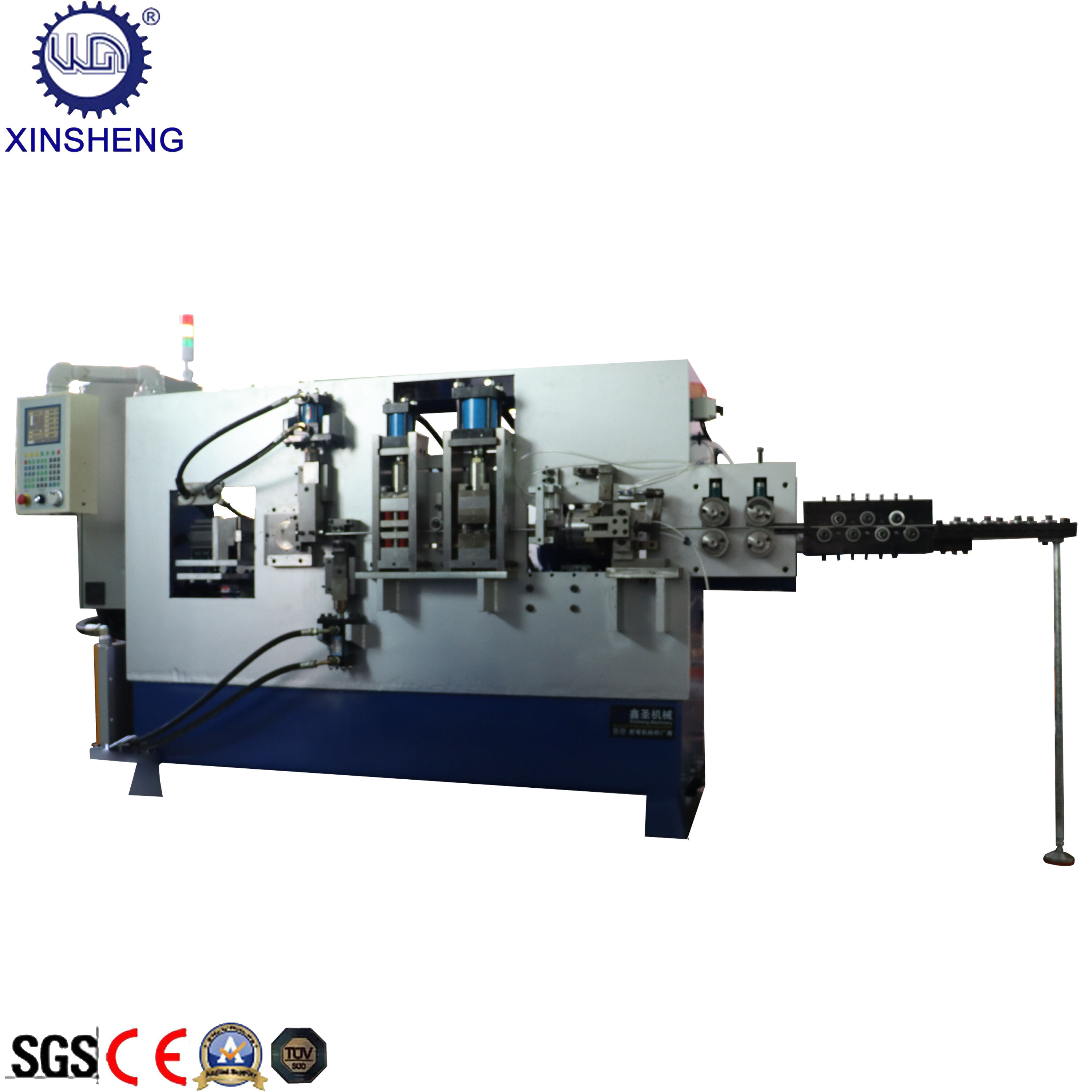
How Paint Roller Handle Making Machine Tooling Enables High-Precision Custom Shapes
Roll Forming Design Principles for Complex Contours and Tight Angular Tolerances
The latest paint roller handle manufacturing equipment employs a series of die stations that gradually form metal or composite materials into comfortable shapes. At each station, the material gets bent just right - around 15 degrees per step actually - which helps keep stress low while maintaining dimensions within about 0.1 millimeter throughout the whole batch. These forming rolls are ground very precisely and made from tough materials so they can handle non-stop work. The clearance between parts is adjusted using computer controls that account for heat expansion when running lots of pieces. With lasers guiding alignment and constant monitoring happening in real time, these machines achieve angle accuracy down to 0.25 degrees. This results in handles shaped like human hands, distributing pressure nicely across the palm area. Painters report feeling much less tired after long days on the job, with some studies showing fatigue reduction as high as 40% thanks to this better design.
Case Study: Fiberglass-Reinforced Plastic (FRP) Handles with 0.15° Grip-Zone Accuracy
A manufacturer based in North America installed servo controlled tooling on their paint roller handle production line to tackle the issue of uncomfortable grips in professional quality tools. The new system shapes fiberglass reinforced plastic (FRP) into those tricky asymmetrical shapes that need really precise pressure distribution, around 0.15 degrees accuracy in key areas. They came up with special carbide forming wheels featuring tiny surface textures to stop things from slipping around, plus temperature controlled workstations kept the FRP at just the right softness for molding. After checking 10 thousand finished products, they found the average angle of the grip zones was sitting at about 17 degrees give or take 0.12 degrees, which actually beat what they were aiming for. When real users tested them out, there was a noticeable 28 percent drop in hand fatigue when working overhead, even though the machines still cranked out 450 handles per hour. So it turns out good ergonomic design doesn't have to slow down production after all.
Integrated Secondary Operations in the Paint Roller Handle Making Machine
In-Line Notching, Punching, and Insert Hole Formation for Assembly-Ready Handles
Modern paint roller handle manufacturing equipment now combines several secondary processes right into the main production flow which cuts down on those annoying manual steps that used to slow things down after initial manufacturing. The precision tools actually do three main things during production: they create the notches for comfortable hand grips, punch out the necessary ventilation holes, and form the insertion points all while staying within a tight 0.2 mm margin of error. This level of accuracy means the finished handles fit perfectly with regular roller cages and end caps without any issues when putting them together according to safety standards. Some tests have shown that these combined manufacturing methods cut down on assembly mistakes by around 30 percent, so the handles come out ready to be packaged without needing extra work at the end of the line.
Cycle Time Reduction: 37% Gain vs. Offline Post-Forming Processes
When manufacturers combine primary forming with secondary finishing all in one automated workflow, they see real improvements in productivity. Take robotic transitions for instance - those automated systems that thread holes between workstations can slash cycle times by around 37% when compared to old school methods done separately. This speed boost matters a lot these days, especially during those unpredictable spikes in US retail orders where companies need to crank out products fast but still maintain the strength and durability of materials like aluminum and fiber reinforced plastic handles. The whole system gets even better with real time quality checks built right into the production line. Factories using this approach typically hit about 98.5% first pass yields on their big batch runs, which keeps costs down and customer satisfaction up.
US Market Requirements Driving Material and Thread Specifications
Aluminum and Textured FRP: OSHA Compliance, Durability, and Retail Shelf Appeal
Most American manufacturers go with either aluminum or textured fiberglass-reinforced plastic (FRP) when making paint roller handles because these materials offer good performance plus meet safety standards. The textured FRP actually meets those OSHA 1910.138 rules about non-slip grips even when things get wet, which matters a lot in real world situations. Aluminum stands out too since it doesn't rust easily and lasts about five times longer than regular steel that hasn't been treated. Another big plus for both options is they work well with custom colors. Retailers love this feature because bright colors help products stand out on store shelves. After all, studies from the Home Improvement Trends Report show around two thirds of people just grab what catches their eye at the hardware store without really planning ahead.
Standardized Thread Compatibility: NPT 1/2''-14 and ACME 5/8''-12 Across Top US Brands
The ability to swap parts between different brands has led to the popularity of just two main thread types in American paint roller handles. Most people go with NPT 1/2 inch 14 threads when they need those watertight seals for their painting jobs, while pros tend to prefer ACME 5/8 inch 12 threads because they hold up better under heavy torque in professional equipment. These standards work across most major brands in the US market today. Around 9 out of 10 roller frames will fit these threads, which means painters don't have to carry around all sorts of adapters anymore. And companies save money too since they can cut down on spare parts stock by roughly half compared to what they used to keep.
Frequently Asked Questions
What are the benefits of using servo controlled tooling in paint roller handle manufacturing?
The use of servo controlled tooling allows for precise shaping of fiberglass reinforced plastic, creating ergonomic handles with accurate pressure distribution. This technology leads to reduced hand fatigue during prolonged use, without compromising production speed.
Why are aluminum and textured FRP materials favored for paint roller handles?
Aluminum and textured FRP are preferred due to their durability, compliance with safety standards, and adaptability for custom colors. Aluminum is resistant to rust, while textured FRP meets OSHA's non-slip grip requirements, making them both practical for professional use.
How do integrated secondary operations improve paint roller handle production?
Integrated secondary operations streamline production by eliminating manual processes. These operations enhance accuracy and efficiency by combining notching, punching, and insertion hole formation into a single automated workflow, reducing assembly mistakes and cycle times.