 EN
EN



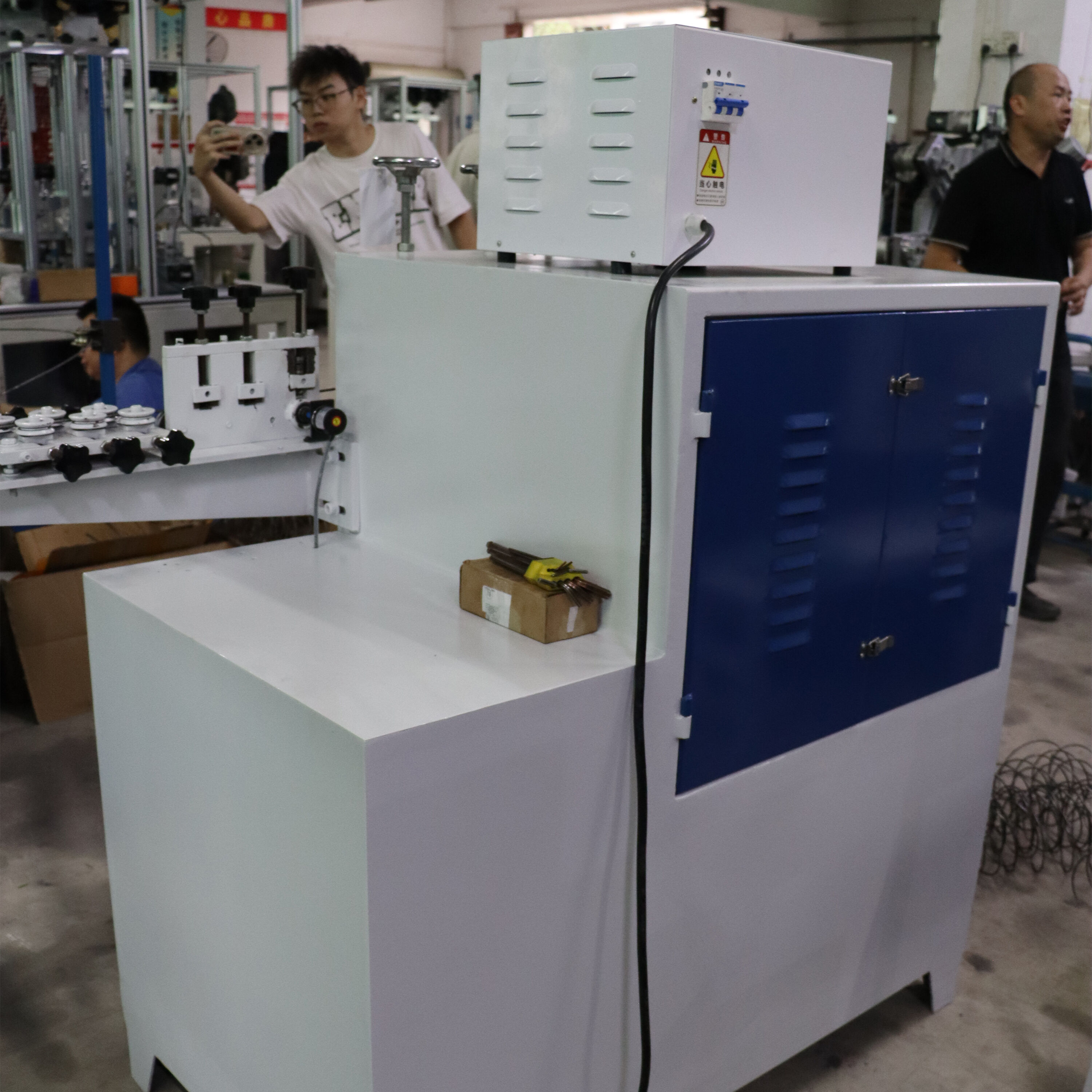
ခွင်းထုတ်လုပ်ရေးစက်များတွင် တိကျသော အရွယ်အစားထိန်းချုပ်မှု
ခွင်းများကို ပြုတ်ထုတ်ခံရခြင်း၏ အဓိကအကြောင်းရင်းမှာ အရွယ်အစား ကွဲလွဲမှုဖြစ်သည်
၂၀၂၃ ခုနှစ်မှ အရက်ထုတ်လုပ်ရေးအသင်းမှ ဖော်ပြချက်အရ အလုပ်မဖြစ်သည့် လက်စွပ်များ၏ နှစ်သုံးပုံနှစ်ပုံခန့်သည် ပုံပန်းသွင်ပဲနှင့် ဆိုင်သည့် ပြဿနာများထက် အရွယ်အစားဆိုင်ရာ ပြဿနာများကြောင့်ဖြစ်သည်။ တိကျမှု ±၀.၃ မီလီမီတာ အတွင်းမှ အနည်းငယ်မျှ လွဲသွားသည့်အခါ ကျောက်မျက်ရတ်များကို ထည့်သွင်းခြင်း သို့မဟုတ် လက်စွပ်အိုင်းများကို ချိတ်ဆက်ခြင်းအတွင်း အစိတ်အပိုင်းများ ပျက်စီးလာခြင်းများ စတင်ဖြစ်ပေါ်လာသည်။ ISO 8654 စံနှုန်းများနှင့် ကိုက်ညီမှုမရှိသည့် လက်စွပ်များကို ပုံပန်းသွင်ပဲမကောင်းသည့်အတွက် ပြုပြင်ရန် လိုအပ်သည့် အလုပ်ပမာဏသည် အခြားလက်စွပ်များထက် သုံးကြိမ်မှ ငါးကြိမ်အထိ ပိုများသည်။ ထို့ကြောင့် လက်ရှိတွင် အများစုသော ဆိုင်များသည် ဒီဇိုင်းပါ ပိတ်ထောင်းသော ကောင်တာစနစ်များပါဝင်သည့် တိကျမှုမြင့်မားသည့် လက်စွပ်ထုတ်လုပ်ရေးစက်များကို ရင်းနှီးမှုပေးလျက်ရှိကြသည်။ ဤစက်များသည် လေးချက်ဖော်ပြချက်များအတွင်း ဖြစ်ပေါ်သည့် အပူချိန်ပေါ်မှုကို အမြဲတမ်း စိစိမ်မှုဖော်ပြချက်များဖြင့် ကိုယ်တိုင်ပြောင်းလဲပေးပြီး ထုတ်လုပ်သည့် လက်စွပ်အုပ်စုများတွင် အရွယ်အစားများ တူညီမှုကို ထိန်းသိမ်းပေးနိုင်သည်။
CNC မန်ဒရယ်များနှင့် လေဆာ မီတရောလောဂီများဖြင့် ISO 8654 စံနှုန်းများ (±၀.၁ မီလီမီတာ) ကို မည်သို့အားဖေးပေးသည်
ကွန်ပျူတာ ဂဏန်းသင်္ကြန်းထိန်းချုပ်မှု (CNC) မန်ဒရယ်များသည် ယနေ့ခေတ်တွင် စက်ဝိုင်းပုံစံအချိုးအစားများကို ပုံသေးစေရန် အသုံးပြုလျက်ရှိပြီး အတွင်းပါရှိသော လေဆာစကင်နာများဖြင့် အစိတ်အပိုင်းများသည် မိနစ်လျှင် အလှည့်ပေါင်း ၁၅၀ အထက်ဖြင့် လှည့်ပတ်နေစဉ် အချင်းများကို တိကျစွာ တိုင်းတာပေးပါသည်။ ဤစနစ်နှစ်များ ပေါင်းစပ်မှုကြောင့် ISO 8654 စံနှုန်းများအရ ±0.1 mm အတိအကျမှုကို ထိန်းသိမ်းနိုင်ပါသည်။ ဤအတိအကျမှုသည် ရှေးခေတ် လက်ဖ်က်စ်နည်းလမ်းများဖြင့် ရရှိသော အတိအကျမှု၏ တစ်ဝက်သာ ရှိပါသည်။ ရှေးခေတ် CMM စနစ်များသည် ထုတ်လုပ်မှုပြီးနောက် နမူနာများကို စစ်ဆေးခြင်းဖြင့် အလုပ်လုပ်သော်လည်း ကျွန်ုပ်တို့၏ လေဆာစနစ်များသည် စက်ပေါ်တွင်ပဲ အိုင်တီအိုင်များကို တစ်ခုချင်းစီ စစ်ဆေးပေးပါသည်။ ထို့ကြောင့် စစ်ဆေးမှုများအကြား လွဲချော်သော နေရာများ မရှိပါ။ ပြီးခဲ့သောနှစ်က ဂီမိုလော်ဂီကယ် တက်ခ်နောလော်ဂီ ရီဗျူး လေ့လာမှုအရ ဤစနစ်သည် အရည်အသွေးစစ်ဆေးရာတွင် အသုံးပြုသည့် အခြေခံကေလိုင်ပာများနှင့် နှိုင်းယှဉ်ပါက အရွယ်အစားဆိုင်ရာ အကြွင်းအကျန်များကို အနည်းဆုံး ၄/၅ အထိ လျော့နည်းစေပါသည်။
ဖောင်းပေါက်ခြင်း အားကောင်းမှုကို အတည်ပြုခြင်း – ဖွဲ့စည်းပုံဆိုင်ရာ ယုံကြည်စိတ်ချရမှုအတွက်
ဖောင်းပေါက်ခြင်း ဆက်သွယ်မှုများတွင် အဏုကြွင်းကြောင်းများ – အေးခြောက်ပြီးနောက် ပျက်စေသည့် အဓိက အကြောင်းရင်း
လွန်ခဲ့သည့်နှစ်က ရတနာထုတ်လုပ်ရေးဆိုင်ရာ အကဲဖြတ်မှုအရ ပုံသဏ္ဍာန်အရ မှုန်းမှုန်းသည့် အောက်ခြေအိုးမှ ထုတ်လုပ်သည့် အောက်ခြေအိုးများတွင် အောက်ခြေအိုးများ၏ ပေါင်းစည်းမှုနေရာများတွင် ဖြစ်ပေါ်လာသည့် အလွန်သေးငယ်သည့် ကြေ cracks များကြောင့် အောက်ခြေအိုးများ၏ ဖျက်စီးမှုများ၏ နှစ်ပုံတစ်ပုံခန့်သည် ဖြစ်ပေါ်လာသည်။ ဖြစ်စဉ်များမှာ အစိတ်အပိုင်းများ အအေးခံစဉ် အလွန်သေးငယ်သည့် ကြေ cracks များ ဖြစ်ပေါ်လာခြင်းဖြစ်ပြီး အပူဖိအားများသည် ပေါင်းစည်းမှုအတွက် အသုံးပြုသည့် အရေးကြီးသည့် အရာဝတ္ထုများကို မှုန်းမှုန်းနိုင်ရန် လုံလောက်စွာမဟုတ်ခြင်းကြောင့် ဖြစ်ပေါ်လာခြင်းဖြစ်သည်။ အထူးခက်ခဲသည့်အချက်မှာ ဤအလွန်သေးငယ်သည့် cracks များသည် ပထမဆုံးအကြည့်တွင် အများအားဖြင့် မြင်သာမှုမရှိခြင်းဖြစ်သည်။ အောက်ခြေအိုးများကို နေ့စဉ်ဝတ်ဆင်ခြင်း သို့မဟုတ် ကိုင်တွယ်ခြင်းများကြောင့် ဤ cracks များသည် အချိန်ကြာလာသည်နှင့်အမျှ ဖြည့်စွက်မှုနေရာများတွင် ဖြစ်ပေါ်လာပြီး နောက်ဆုံးတွင် သတိပေးခြင်းမရှိဘဲ အပြည့်အဝ ပေါင်းစည်းမှုနေရာများ ပျက်စီးသွားခြင်းဖြစ်သည်။ ပိုမိုထောက်လားသည့် ထုတ်လုပ်သူများသည် ပေါင်းစည်းမှုလုပ်ငန်းစဉ်အတွင်း အပူခါးမှုကို အချိန်နှင့်တစ်ပါတ် စောင်းမှုကို အသုံးပြုလာကြသည်။ ဤနည်းလမ်းသည် အစိတ်အပိုင်းတစ်ခုလုံးတွင် အပူခါးမှုကို ထိရောက်စွာ ထိန်းချုပ်နေပါသည်။ ရလဒ်များသည် မိမိကိုယ်ပိုင်အထောက်အထားများဖြစ်ပြီး ကုမ္ပဏီများသည် အပူခါးမှုကို အတွေ့အကြုံအရ ခန့်မှန်းခြင်းသာ အသုံးပြုသည့် အဟောင်းနည်းလမ်းများနှင့် နှိုင်းယှဉ်ပါက အဆိုပါ ပြဿနာများဖြစ်ပေါ်နေသည့် fissures များသည် ၈၀% ခန့် လျော့ကျသည်ဟု အစီရင်ခံကြသည်။
ပုံမှန်မြင်နိုင်သည့် အက်ကြောင်းများကို ရှာဖွေရန် အသံလွန်ပိုင်းဆက်သွယ်မှုစမ်းသပ်မှုနှင့် ရောင်စားသည့် အရေးကြီးသည့် စမ်းသပ်မှု
| နည်းစနစ် | ဖော်ထုတ်နိုင်မှု | အမြန်နှုန်း | မြှင့်တင်မှုများ |
|---|---|---|---|
| အလွန်မြင့်မားသော အသံလှိုင်းဖြင့် ကပ်စ်ချိတ်ဆက်မှု စမ်းသပ်ခြင်း | မျက်နှာပုံအောက်ရှိ အပေါက်များ (နက်ရှိုင်းမှု ≥ ၀.၀၅ မီလီမီတာ) | အဆက်တစ်ခုလျှင် ၈ စက္ကန်း | ကော်လန်တ်ဂဲလ် လိုအပ်ပါသည် |
| ရောင်စုံအရေးအသားစမ်းသပ်ခြင်း | မျက်နှာပုံပေါ်တွင် ပေါ်လွင်နေသော ကြေ cracks (> ၀.၁ မီလီမီတာ) | အဆက်တစ်ခုလျှင် ၁၅ မိနစ် | ဓာတုပစ္စည်းများကို စုတ်ထွက်မှုရှိစွာ ကိုင်တွယ်ရန် |
အလွန်မြင့်မားသော အသံလှိုင်းစမ်းသပ်ခြင်းသည် ပစ္စည်းများအတွင်းသို့ အလွန်မြင့်မားသော အသံလှိုင်းများကို လွှတ်ပေးခြင်းဖြင့် အတွင်းပိုင်းရှိ ကြေ cracks နှင့် အခြားပြဿနာများကို ရှာဖွေရာတွင် အသုံးပြုပါသည်။ ISO 11439 စံနှုန်းများတွင် ခွင့်ပြုထားသည့် အထက်တွင် ရှိသော အပေါက်များကို ရှာဖွေရာတွင် စက်မှုလုပ်ငန်းများအများစုသည် အတိမ်အနက် ၉၉% အထိ တိကျမှုရှိကြောင်း အစီရင်ခံထားပါသည်။ မျက်နှာပုံပေါ်ရှိ ပြဿနာများကို စူးစမ်းရာတွင် စုံစမ်းစဥ်အတွက် စုံစမ်းစရိတ်များ အလွန်နောက်ကြောင်းများသောကြောင့် ရောင်စုံအရေးအသားစမ်းသပ်ခြင်းသည် အသုံးများနေဆဲဖြစ်ပါသည်။ သို့သော် အဆိုပါနည်းလမ်းသည် ဖွဲ့စည်းမှုဆိုင်ရာ အားကောင်းမှုကို အထိရောက်ဆုံးဖြစ်စေသည့် အတွင်းပိုင်းအပိုင်းများကို လုံးဝမှုန်းထားပါသည်။ ကောင်းမွန်သည့် သတင်းအချက်အလက်များမှာ ခေတ်မှီ စက်မှုလုပ်ငန်းများတွင် အလွန်မြင့်မားသော အသံလှိုင်းစကင်နာများကို အတွင်းပါဝင်စေပြီး ထုတ်လုပ်မှုလိုင်းတွင် ဖြတ်သန်းနေသည့် အရာအားလုံးကို အလိုအလျောက်စမ်းသပ်ပေးပါသည်။ ထို့အပြင် စက်မှုလုပ်ငန်းများသည် လုပ်ငန်းစဉ်များကို ပုံမှန်အမြန်နှုန်းဖြင့် ဆက်လက်လုပ်ဆောင်နေစဥ် အပေါ်တွင် အပြည့်အဝ စမ်းသပ်မှုကို ရရှိနေပါသည်။
အလိုအလျောက် မျက်နှာပုံပေါ်ရှိ အကွက်များကို ရှာဖွေခြင်းနှင့် အဆုံးသတ်အလုပ်များ လိုက်နာမှုစစ်ဆေးခြင်း
အပေါက်များနှင့် သဲမျက်လုံးများ - ပစ်ချည်သော လက်စွပ်များတွင် အဓိက မြင်နိုင်စွမ်း ချို့ယွင်းမှုများ
သံမဏိအချိုးချခြင်းမှာ အပေါက်များဟာ သတ္တုခဲယမ်းလာတာနဲ့အတူ ပိတ်မိသွားတဲ့ ဓာတ်ငွေ့အိတ်တွေ ထုတ်ပေးပြီး သဲမျက်လုံးတွေနဲ့အတူ အခြေခံအားဖြင့် ပုံသွင်းပစ္စည်းတွေ ရောစပ်ခံရတဲ့ အပိုင်းတွေပါ၊ အပြင်ပန်းအပြင်အဆင်တစ်ခုတည်းကို အခြေခံပြီး ပယ်ချခံရတဲ့ အပိုင်းအားလုံးရဲ့ ဒီလိုအမှားတွေက နောက်ဆုံးထုတ်ကုန်ရဲ့ ခိုင်မာမှုကို တကယ်ကို သက်ရောက်စေပြီး ဖောက်သည်တွေ မျှော်လင့်တဲ့ အမြင်ကိုပါ ဖျက်ဆီးပါတယ်။ ပြဿနာက ပိုဆိုးလာတာက လူသား စစ်ဆေးသူတွေကိုပဲ အားကိုးတဲ့အခါမှာပါ၊ သူတို့ မျက်လုံးတွေ ပင်ပန်းပြီး လူတိုင်းမှာ လက်ခံလို့ရတဲ့ စံနှုန်းတွေ မတူတာကြောင့် မိုက်ခရွန်အဆင့်မှာရှိတဲ့ သေးငယ်တဲ့ အမှားတွေရဲ့ ၁၅% လောက်ကို လွတ်သွားတတ်ကြတယ်။ ဒီမညီညွတ်မှုက အလိုအလျောက် စစ်ဆေးရေးစနစ်တွေက တကယ်ကို အပြည့်အဝ ပြင်ဆင်နိုင်တဲ့ အရည်အသွေး ပြဿနာတွေ ဖန်တီးတယ်။
AI အားဖြင့် စွမ်းဆောင်သော ပုံထုတ်စနစ်များအား အချိန်နှင့်တပြေးညီ အံမဝင်မှု ရှာဖွေရန်အတွက် 22K Ring Images များကို သင်တန်းပေးထား
အခုအသစ်ထွက်လာသော စက်ဝိုင်းပုံသော ပစ္စည်းများ ထုတ်လုပ်ရာတွင် အသုံးပြုသည့် နောက်ဆုံးပေါ် မြင်ကွင်းစနစ်များသည် စက်ဝိုင်းပုံများ ၂၂၀၀၀ ခန့်ကို အမှတ်အသားပေးထားသည့် ပုံများဖြင့် လေ့ကျင့်ထားပါသည်။ ဤစနစ်များသည် တစ်ခုလျှင် တစ်စက္ကန်းခန့်အောက်တွင် ၀.၁ မီလီမီတာ (သို့မဟုတ် ထိုထက်ပိုမိုသေးငယ်သည့်) အရွယ်အစားရှိသည့် အကွက်သေးများ၊ အဏုမှုန်များနှင့် အညစ်အကြေးများ၏ စုစည်းမှုများကဲ့သို့သည့် အသေးစိတ်ချို့ယွင်းမှုများကို အလွယ်တကူ ရှာဖွေတွေ့ရှိနိုင်ပါသည်။ နက်ရှိုင်းသော သင်ယူမှု (Deep learning) အယ်လ်ဂေါ်ရီသမ်များသည် ISO 2859-1 အရ မျက်နှာပုံများအတွက် စindustry စံနှုန်းများနှင့် အတူ ထုတ်လုပ်မှုလိုင်းပေါ်တွင် ရှိနေစဉ်အတွင်း စက်ဝိုင်းတစ်ခုချင်းစီကို အရည်အသွေးစံနှုန်းများနှင့် အမြဲတမ်း နှိုင်းယှဉ်စစ်ဆေးပေးပါသည်။ စက်ဝိုင်းတစ်ခုသည် ဤစံနှုန်းများနှင့် မကိုက်ညီပါက စနစ်များသည် ထိုစက်ဝိုင်းကို အလျင်အမြန် နောက်ထပ်စစ်ဆေးရန် (သို့မဟုတ်) ပြုပြင်ရန် အမှတ်အသားပေးပါသည်။ ဤလုပ်ငန်းစဉ်ကြောင့် အမှားအမှင်များကို မှုန်းမှုန်းမှုဖြင့် ဖော်ထုတ်မှုမရှိဘဲ လွင့်သွားသည့် စက်ဝိုင်းများ၏ ရှိသည့် အချိုးသည် ၀.၃ ရှိသည့် အချိုးထက် နည်းသွားပါသည်။ ထို့ကြောင့် အပြီးသတ်ထုတ်ကုန်များသည် မှုန်းမှုန်းမှုဖြင့် မျက်နှာပုံများပေါ်တွင် အညီအမျှ မှုန်းမှုန်းမှုရှိပါသည်။ ထို့အပြင် ထုတ်ကုန်များသည် အထုပ်ထုပ်ပေးရန် အလုပ်လုပ်ရန် အလေးအမြန် မှုန်းမှုန်းမှုဖြင့် အရည်အသွေးစံနှုန်းများနှင့် ကိုက်ညီသည့် အရှိန်အဟောင်းများကို ခံနိုင်ရည်ရှိပါသည်။
လုပ်ငန်းစဉ်အတွင်း ပစ္စည်းများ၏ အတည်ပြုခြင်းနှင့် အသုံးပြုသည့် အသေးစိတ်အရောင်အသွေးများ၏ တည်ငြိမ်မှုကို စောင်းကြည့်ခြင်း
ခွင်းများကို ထုတ်လုပ်နေစဉ်အတွင်း အချိန်နှင့်တစ်ပါတည်း ပစ္စည်းများကို စစ်ဆေးခြင်းဖြင့် စုစုပေါင်း စုံစမ်းမှုများကို ရှောင်ရှားနိုင်ပါသည်။ ဤသည်မှာ ထုတ်လုပ်မှုအတွင်း သတ္တုရောစပ်မှုကို လိုအပ်သည့် အတိအကျဖြင့် ထိန်းသိမ်းပေးသောကြောင့်ဖြစ်သည်။ ဤစက်များတွင် အသုံးပြုသည့် သတ္တုအစိတ်အပိုင်းများကို ဖောင်းပေးနေစဉ် ဘယ်လေးများ ပါဝင်နေကြောင်းကို စောင်းကြည့်ရှုနေသည့် စပက်ထ်ရိုမီတာများ ပါဝင်ပါသည်။ ဥပမေးအားဖြင့် ဇင့် (Zinc) သို့မဟုတ် ကောပါ (Copper) ပမာဏများ ၀.၁၅% ထက် ပိုမိုပြောင်းလဲသွားပါက စက်သည် လုပ်သမ်းများအား ချက်ချင်း အသိပေးမည်ဖြစ်သည်။ စံသတ်မှတ်ချက်များအရ လုပ်ငန်းစဉ်ထိန်းချုပ်မှု (Statistical Process Control) နည်းလမ်းများနှင့် တွဲဖက်အသုံးပြုပါက ၂၀၂၃ ခုနှစ်တွင် Materials Processing ဂျာနယ်မှ ထုတ်ပြန်ခဲ့သည့် သုတေသနအရ ရှေးနည်းလမ်းဖြင့် အမုန်းအစုလိုက်စစ်ဆေးခြင်းနှင့် နှိုင်းယှဉ်ပါက အကုန်စုံပျက်စီးမှုများကို ၂၃% ခန့် လျော့ချနိုင်ပါသည်။ ဤစနစ်သည် အကုန်စုံများ အကုန်အစင်ပျက်စီးသွားမီ အစေးအနေဖြင့် ပြဿနာများကို ဖမ်းမိပါသည်။ ထို့အတူ အထူးအပူချိန်စိုက်မှုစက်များသည် အအေးခံမှုအဆင့်တွင် အပူချိန်များကို စောင်းကြည့်နေပါသည်။ ဤသည်မှာ အနုစိတ်အဆင့်တွင် ဖြစ်ပေါ်လာသည့် အပိုင်းအစုလိုက်ဖွဲ့စည်းမှုများ (segregation issues) ကို ကာကွယ်ပေးသည့်အတွက် အဆုံးသတ်ထုတ်ကုန်၏ အင်အားကို အားနည်းစေနိုင်သည့် ပြဿနာများကို ကာကွယ်ပေးနိုင်ပါသည်။ ပုံမှန်အားဖြင့် အမာအားစမ်းသပ်မှုများနှင့် ဖောင်းပေးမှုစမ်းသပ်မှုများအပြင် ဤစောင်းကြည့်မှုကိရိယာများအားလုံးသည် စက်အား အလိုအလျောက် ချိန်ညှိမှုများ ပြုလုပ်နေစဉ် အရည်အသွေးကောင်းမှုကို ထိန်းသိမ်းပေးနိုင်ပါသည်။ ထို့ကြောင့် လုပ်ငန်းစဉ်များကို လုံးဝရပ်တန်းစေရန် မလိုအပ်ပါသည်။
မေးလေ့ရှိသောမေးခွန်းများ
မှုန်းခေါ်ခြင်းတွင် အရွယ်အစား ကွဲလွဲမှုများ ဖြစ်ပေါ်ရခြင်း၏ အကြောင်းရင်းများမှာ အဘယ်နည်း။
မှုန်းခေါ်ခြင်းတွင် အရွယ်အစား ကွဲလွဲမှုများသည် အဓိကအားဖြင့် ±0.3 mm အတွင်း မဟုတ်သော အနည်းငယ်သော တိကျမှု အမှားအမှားများကြောင့် ဖြစ်ပေါ်လာပါသည်။ ထိုသို့သော အမှားအမှားများသည် အစုစည်းခြင်း၊ မှုန်းခေါ်ခြင်းတွင် အရောင်စုံမှုန်းများ တပ်ဆင်ခြင်းနှင့် မှုန်းခေါ်ခြင်း၏ အနုပညာအစိတ်အပိုင်းများ တပ်ဆင်ခြင်းတို့ကို ထိခိုက်စေပြီး အလုပ်အကျွေးမှု ပယ်ချမှုသို့ ရောက်စေနိုင်ပါသည်။
CNC နှင့် လေဆာ မီတော်လောဂီ နည်းပညာများသည် မှုန်းခေါ်ခြင်း၏ တိကျမှုကို မည်သို့ မြှင့်တင်ပေးပါသည်။
CNC မန်ဒရယ်များနှင့် လေဆာ မီတော်လောဂီ နည်းပညာများသည် ±0.1 mm အတွင်း ထုတ်လုပ်မှု တိကျမှုကို ထိန်းသိမ်းပေးခြင်းဖြင့် မှုန်းခေါ်ခြင်း၏ အခြေခံအစိတ်အပိုင်းများကို တိကျစွာ ပုံသေးခြင်းနှင့် ထုတ်လုပ်မှုအတွင်း အချင်းအတိုင်းအတာများကို တိကျစွာ တိုင်းတာခြင်းတို့ကို အာမခံပေးပါသည်။
အဆက်အသွယ်များသည် အဘယ်ကြောင့် ပျက်စီးလွ easily နိုင်ပါသည်။
မှုန်းခေါ်ခြင်းတွင် အဆက်အသွယ်များသည် အအေးခံစဉ် အပူဖိအားကြောင့် အဏုကြွင်းများ ဖြစ်ပေါ်လာနိုင်ပါသည်။ ထိုအဏုကြွင်းများသည် အချိန်ကြာလာသည်နှင့်အမျှ ပိုမိုကြီးမားလာပြီး သင်္ကြန်မှု စောင်းမှုများ မှန်ကန်စွာ စောင်းမှုများ မရှိပါက ဖွဲ့စည်းပုံဆိုင်ရာ ပျက်စီးမှုသို့ ရောက်ရှိနိုင်ပါသည်။
ပုန်းကွယ်နေတဲ့ ချို့ယွင်းမှုတွေကို ရှာဖွေဖို့ ဘယ်နည်းက ပိုကောင်းလဲ။ အော်လ်ထရွန်နစ် စမ်းသပ်မှုလား၊ ဒါမှမဟုတ် ဆေးရောင်ခြယ်ပစ္စည်းကို စစ်ဆေးမှုလား။
အသံလေးများဖြင့် စမ်းသပ်ခြင်း (ultrasonic testing) သည် အမြဲတမ်း မြင်နိုင်သော အပေါ်ယံမှ ဝေးကွာသော အချောက်များနှင့် အတွင်းပိုင်း ဖွဲ့စည်းပုံဆိုင်ရာ ပြဿနာများကို ဖော်ထုတ်ရန် ပိုမိုထိရောက်မှုရှိပါသည်။ ထိုနည်းဖြင့် ၉၉% အတိကျမှုကို ပေးစေပါသည်။ အရောင်စုံမှုန်းဖြင့် စမ်းသပ်ခြင်း (dye-penetrant inspection) သည် အပေါ်ယံမှ ကွဲထွက်သော အက်ကြောင်းများကို ဖော်ထုတ်ရန် သင့်တော်ပါသည်။
AI အားဖြင့် မောင်းနှင့်သည့် ပုံရိပ်ဖမ်းယူရေးစနစ်များသည် ခွင်းများ ထုတ်လုပ်ခြင်းတွင် မည်သို့ အထောက်အကူပုံပါသနည်း။
အရေအတွက်များစွာသော ဒေတာများပေါ်တွင် လေ့ကျင့်ထားသည့် AI အားဖြင့် မောင်းနှင့်သည့် ပုံရိပ်ဖမ်းယူရေးစနစ်များသည် ခွင်းများတွင် အမှားအမှင်များနှင့် အလွန်သေးငယ်သည့် ချို့ယွင်းမှုများကို အချိန်နှင့်တစ်ပါတ် ဖမ်းမိနိုင်ပြီး ထုတ်ကုန်အရည်အသွေးကို အာမခံရန်နှင့် ချို့ယွင်းမှုနှုန်းကို ၀.၃% အောက်သို့ လျှော့ချရန် အထောက်အကူပုံပါသည်။
အကြောင်းအရာများ
- ခွင်းထုတ်လုပ်ရေးစက်များတွင် တိကျသော အရွယ်အစားထိန်းချုပ်မှု
- ဖောင်းပေါက်ခြင်း အားကောင်းမှုကို အတည်ပြုခြင်း – ဖွဲ့စည်းပုံဆိုင်ရာ ယုံကြည်စိတ်ချရမှုအတွက်
- အလိုအလျောက် မျက်နှာပုံပေါ်ရှိ အကွက်များကို ရှာဖွေခြင်းနှင့် အဆုံးသတ်အလုပ်များ လိုက်နာမှုစစ်ဆေးခြင်း
- လုပ်ငန်းစဉ်အတွင်း ပစ္စည်းများ၏ အတည်ပြုခြင်းနှင့် အသုံးပြုသည့် အသေးစိတ်အရောင်အသွေးများ၏ တည်ငြိမ်မှုကို စောင်းကြည့်ခြင်း
-
မေးလေ့ရှိသောမေးခွန်းများ
- မှုန်းခေါ်ခြင်းတွင် အရွယ်အစား ကွဲလွဲမှုများ ဖြစ်ပေါ်ရခြင်း၏ အကြောင်းရင်းများမှာ အဘယ်နည်း။
- CNC နှင့် လေဆာ မီတော်လောဂီ နည်းပညာများသည် မှုန်းခေါ်ခြင်း၏ တိကျမှုကို မည်သို့ မြှင့်တင်ပေးပါသည်။
- အဆက်အသွယ်များသည် အဘယ်ကြောင့် ပျက်စီးလွ easily နိုင်ပါသည်။
- ပုန်းကွယ်နေတဲ့ ချို့ယွင်းမှုတွေကို ရှာဖွေဖို့ ဘယ်နည်းက ပိုကောင်းလဲ။ အော်လ်ထရွန်နစ် စမ်းသပ်မှုလား၊ ဒါမှမဟုတ် ဆေးရောင်ခြယ်ပစ္စည်းကို စစ်ဆေးမှုလား။
- AI အားဖြင့် မောင်းနှင့်သည့် ပုံရိပ်ဖမ်းယူရေးစနစ်များသည် ခွင်းများ ထုတ်လုပ်ခြင်းတွင် မည်သို့ အထောက်အကူပုံပါသနည်း။