 EN
EN



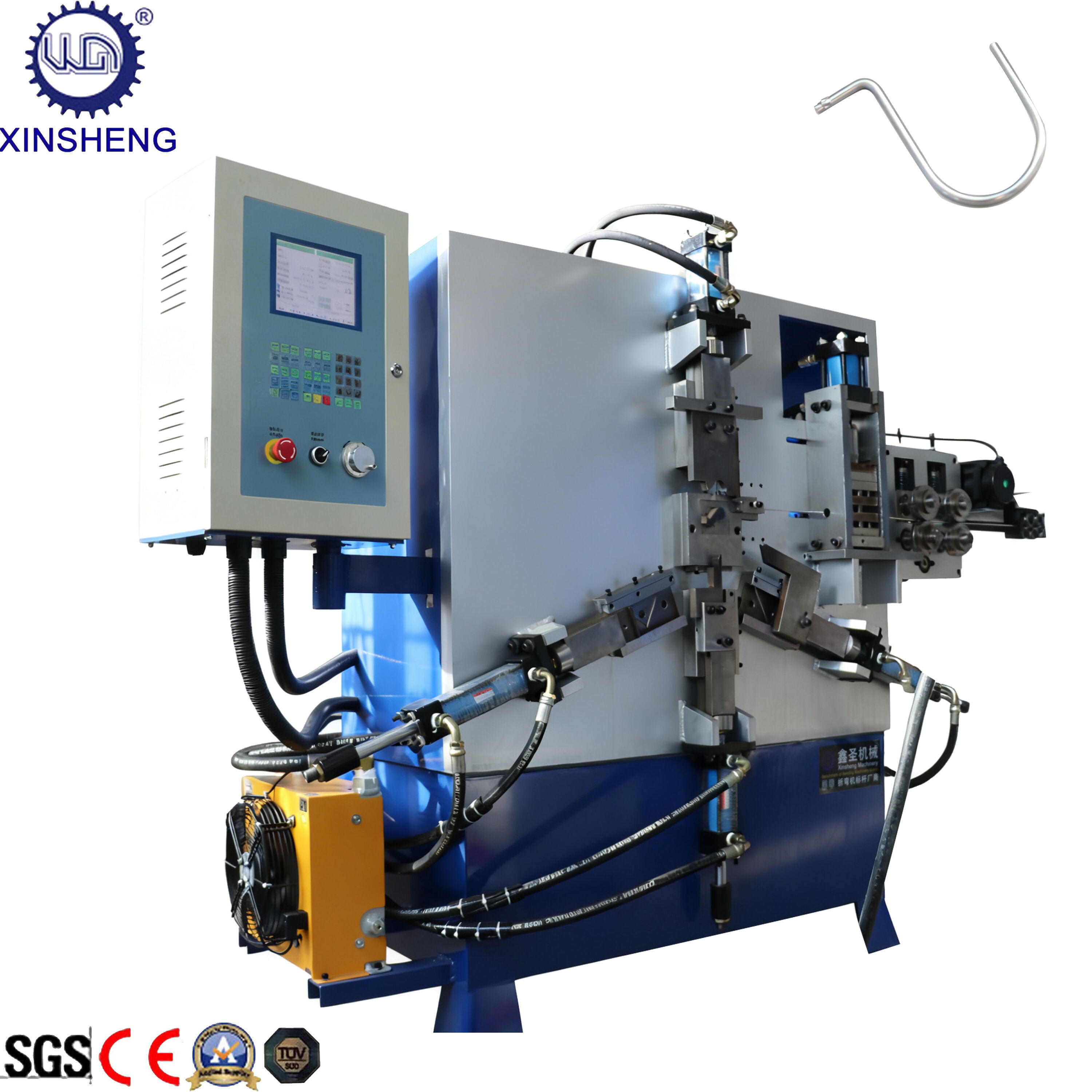
Precision Engineering in Modern Tube Bending Machines
How CNC Tube Bending Machines Achieve Sub-0.1° Angular Repeatability
CNC tube bending machines can reach angular repeatability below 0.1 degrees thanks to their closed loop servo systems which constantly check positions using those fancy high resolution rotary encoders. What makes these systems special is how they make around 1000 tiny adjustments every single second through those precision ball screw drives, something that just isn't possible with traditional hydraulic systems because of all that lag and compression problems. The machines also analyze materials in real time to compensate for springback effects based on factors like tensile strength, wall thickness and how the material behaves when stressed. Special temperature stabilized tooling keeps things from drifting due to heat changes during operation. This level of consistency meets aerospace standards throughout entire production batches, which matters a lot for parts like fuel injection lines where even a 0.05mm difference can cause serious functional issues down the road.
All-Electric vs. Hydraulic Drive Systems: Energy Efficiency, Control Fidelity, and Maintenance Impact
| Parameter | All-Electric Systems | Hydraulic Systems |
|---|---|---|
| Energy Consumption | 40–60% less | Higher baseline |
| Control Resolution | 0.01mm precision | ±0.1mm variance |
| Maintenance Costs | 70% reduction | Fluid/filter replacements |
| Noise Levels | <75 dB | 85–95 dB |
Electric systems rely on direct drive servomotors which can turn around 95 percent of their input power into actual movement. This is way better than hydraulic systems that only manage about 70 percent efficiency because they lose so much energy as heat, through leaks, and when valves restrict flow. The higher efficiency means no risk of oil getting everywhere and allows for much finer control over force application, something really important when working with aluminum parts that easily distort during bending operations. Since there are no pumps, valves or messy hydraulic fluids to worry about, factories doing large volumes of work report cutting down maintenance time by well over 200 hours each year. Still worth mentioning though, hydraulics haven't disappeared entirely. For bending thick walled steel pipes larger than 150mm in diameter, traditional hydraulic setups still make sense since the maximum force needed goes beyond what most electric machines can handle right now according to manufacturers specs.
Bending Complex Geometries: From Variable Radius to 3D Compound Shapes
Three main techniques for tube shaping stand out when dealing with complex geometries: rotary draw, mandrel, and induction bending. The rotary draw method works by using synchronized clamping along with pressure die control that keeps both inside and outside radii stable while the metal is being bent. This helps maintain the shape of the tube's cross section and allows for really tight angular consistency around 0.1 degrees, which matters a lot in those critical parts used in aircraft construction. For thin wall tubes needing bends past 120 degrees, mandrel assisted bending comes into play. By inserting special internal tools during the process, this approach maintains the roundness of the tube and cuts down on ovalization problems by about 60% compared to what happens when there's no such support. Then there's induction bending where heat is applied specifically to certain areas of thick walled steel pipes like 12 inch schedule 40 material. This creates smooth curves with varying radii without needing multiple segments or welds between them, which means less work after the fact and better overall structural strength throughout the entire piece.
Multi-Stack Tooling and Real-Time Compensation for 3D Tube Assemblies
Multi stack tooling brings down changeover times to around 90 seconds when dealing with mixed batches, thanks to standard clamping systems that work with tubes ranging from 6mm all the way up to 80mm in diameter. The system features built in optical sensors that monitor springback while the metal bends, sending real time position updates back to the CNC controller. This allows the machine to tweak bend angles and adjust where it feeds material as it goes along, keeping everything within a tight 0.25mm tolerance even for those complicated three dimensional shapes. When working on things like automotive roll cages or other asymmetrical parts, this kind of automatic compensation means no more tedious manual adjustments after the fact. Scrap rates drop significantly too, somewhere around 40% according to industry research published last year by the Industry Forum in their 2023 benchmark report.
Smart Automation Integration for Seamless Tube Bending Workflows
Robotic Loading, Vision-Guided Positioning, and Coil-Fed Continuous Bending (e.g., EB-CB)
Smart automation has completely changed how we approach tube bending operations, turning what was once a purely manual task into something much more efficient and consistent. Modern robotic arms grab tubes right off conveyor belts or pallets and position them precisely at the bending station down to fractions of a millimeter. This eliminates those pesky human errors that come from tired operators making mistakes after long shifts. The latest vision systems can check the shape of each piece in less than a tenth of a second, spotting any size issues or worn tools while the machine is still running. For shops dealing with massive production volumes, there are now systems like the EB-CB platform that work with coils instead of individual pieces. These machines feed straight from the coil without needing to cut each section first, which keeps things moving nonstop. The result? Changeover times drop around four fifths compared to traditional methods, and angles stay within half a degree accuracy even when switching between different types of materials in the same batch.
Material Versatility and Agile Production with Quick-Change Tooling
Optimizing Tube Bending Machines for Copper, Aluminum, and Light Alloys Without Distortion
Today's tube bending equipment offers remarkable versatility thanks to their advanced quick change (QC) tooling systems. These systems let manufacturers switch between materials like copper, aluminum, titanium and various light alloys without compromising precision. The preset toolholders work by applying just the right amount of pressure for each specific material type, which helps avoid those frustrating issues like flattened sections or unwanted wrinkles. What really stands out though are these real time springback compensation features that tweak bend angles on the fly based on how different metals behave mechanically. This prevents those pesky memory effects that can turn into costly errors down the line. According to recent data from manufacturing efficiency reports, QC systems have slashed changeover times dramatically—from around 30 minutes down to less than a minute in many cases. That kind of speed boost translates to roughly 30% improvements in overall productivity. Such flexibility means shops can alternate between making aerospace grade aluminum coolant lines one moment and medical grade copper tubing the next all within the same workday. This capability cuts batch sizes nearly two thirds and makes better use of warehouse space while keeping inventory costs lower. And for thin wall applications, modular adapters bring even more value by controlling pressure across multiple axes to combat ovalization problems.
Frequently Asked Questions
What is CNC tube bending?
CNC tube bending refers to the process of using computer-controlled machines to bend tubes with high precision and repeatability. These machines utilize advanced technology like servo systems for accurate control and adjustments during bending.
What is the main difference between all-electric and hydraulic tube bending machines?
All-electric tube bending machines are more energy-efficient, provide finer control over precision, and require less maintenance compared to hydraulic systems, which tend to be less efficient and noisier.
Can CNC tube bending machines handle complex shapes?
Yes, CNC tube bending machines are equipped with techniques like rotary draw, mandrel, and induction bending, allowing them to accurately produce complex geometries.
How do quick-change tooling systems enhance production?
Quick-change tooling systems improve production by significantly reducing changeover times while ensuring precision when switching between different materials, thereby enhancing overall productivity.